





Marketing with Drones: Turning Drone Art into Brand Experiences
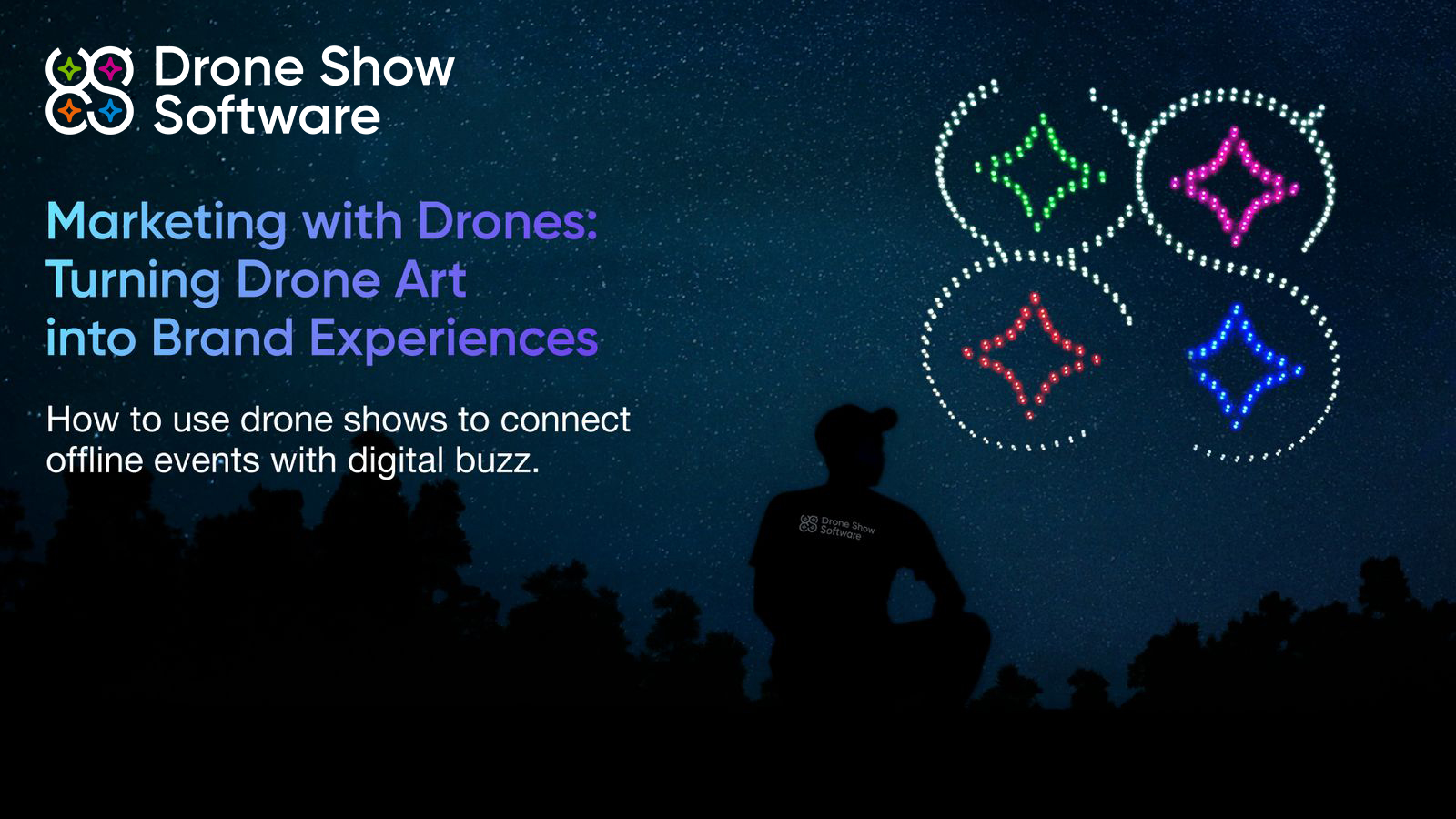
Drone marketing has evolved beyond being just a 'cool visual.' Today, Drone art acts as a powerful communication tool, enabling companies to create memorable product launches and public events that encourage audience interaction. Unlike billboards, drone shows turn branding into a live experience that people capture and share instantly. For product reveals, festivals, or major corporate milestones, these shows blend storytelling and technology to deliver some of the most impactful moments in modern marketing.
Key takeaways
- Drone art turns a brand message into a live, shareable event rather than a one-off stunt.
- Successful marketing with drones relies on a tight narrative, a genuine reveal, and keeping the audience’s perspective front and center.
- Brands use drone shows for city-wide activations, sponsorships, tourism, and employer branding.
- You are investing not only in the show, but also in earned media, user-generated content, and extensive PR coverage that continues long after the event.
- Professional drone show software ensures creative precision, repeatability, and safety.
- The impact increases when the drone fleet is synchronized with music, pyrotechnics, or live performers.
What is Drone Art in a marketing context?

Drone art uses a coordinated fleet of drones to display animations, logos, and stories in the night sky. In marketing, this medium blends brand identity with real-time emotion, turning product silhouettes or logos into cinematic sequences. Its rarity and premium feel create a 'wow' factor that static screens cannot match, making it ideal for high-impact campaigns.
Why brands are turning to marketing with drones
Marketing teams are adopting drone shows because they capture the full attention of large audiences, who often record and share the experience. Brands typically gain the following benefits from drone marketing:
- High-impact visibility without traditional advertising fatigue
Audiences do not skip drone shows as they do with ads. A well-designed show keeps viewers engaged until the reveal.
- Built-in social media content and UGC
Drone shows naturally create short, emotional, shareable video clips, perfect for TikTok, Instagram Reels, YouTube Shorts, and press recaps.
- A premium perception boost
Drone Art feels like the future. Using it positions a brand as bold, innovative, and ahead of the curve.
- Flexible integration into live experiences
Drones integrate seamlessly into both standalone events and live experiences such as stadium halftime shows.
- Repeatability across multiple markets
Branded drone animations can be deployed in multiple locations, enabling creative consistency across global campaigns.
- Budget and ROI: what brands actually pay for
Drone marketing budgets vary based on the number of drones, show duration, creative complexity, safety requirements, and integration with music, fireworks, or live programs. Live attendance is only part of the return; significant value comes from shareable videos, PR moments, and reusable campaign assets generated after the event.
Common use cases of branding and marketing with drones
Using drone shows for marketing operates in many sectors, but the best results often stem from occasions where brands must have maximum exposure within a short period.
Drone shows mostly appear at high-profile events like city celebrations, festivals, sports games, and grand-scale entertainment programs places where people are already congregated; emotionally invested; ready to whip out their phones to record what they see.
In these cases, drone art can help brands create that clear “hero moment”: a reveal, a symbol, or even a story written in the sky; something catchy, public, and unforgettable. Below are the most common use cases where drone marketing delivers the biggest impact:
Product launches and brand reveals
This is one of the most direct drone marketing formats: show a story, then reveal a product or brand identity.
Example: Samsung Galaxy S24 launch
Celestial created a drone show celebrating the launch of the Samsung Galaxy S24, using 552 drones and staging it over London’s River Thames, positioning the launch as a premium public spectacle rather than a standard ad moment.
Brand campaigns inside public events and city celebrations
Drone shows can be part of larger public events such as New Year celebrations, city festivals, or major cultural moments. For brands, this is a way to connect with large audiences in a non-intrusive format.
Example: Kia new logo
Pablo Air delivered a drone show to support Kia’s rebranding and new identity moment, using synchronized drones and pyro effects. It also set a Guinness World Record, turning the campaign into a high-credibility public story.
Theme parks and entertainment brand experiences
Drone shows are increasingly used in entertainment settings where audiences expect impressive moments and frequent returns.
Example: PortAventura World
PortAventura launched a large-scale nightly show featuring 300 drones, integrated with music, fireworks, water effects, and live performance as part of a signature nighttime spectacle.
Sports sponsorships and live events
Drone shows work well in sports contexts because the audience is already emotionally engaged. Brands can activate sponsorships and create memorable halftime-style moments with drone reveals, especially when the visuals are tied to the team identity and the local community.
Example: Detroit Lions drone light show
A great reference here is the drone light show created for the Detroit Lions: a clear example of how drone art can support a sports brand experience and generate highly shareable fan content (team symbols, city pride visuals, game-day atmosphere).
Festivals, cultural events, and destination activations
Drones can highlight the identity of a place (city, festival, landmark) while building shareable content that drives tourism and media attention. This format works especially well for major cultural events where organizers need a strong opening moment for both live audiences and broadcast/streaming, something visually iconic, easy to capture on phones, and instantly shareable.
Example: Liverpool’s Eurovision Song Contest 2023 opening ceremony
A strong case is the drone show created for the Eurovision Song Contest 2023 opening ceremony in Liverpool. It shows how drone art can support large-scale festivals and destination storytelling by turning city identity and event atmosphere into a high-visibility public moment.
Corporate and employer branding
Drone shows are increasingly used to strengthen both internal culture and external brand reputation, especially for company anniversaries, major milestones, employer branding events, and brand culture storytelling. They create a “shared moment” that feels premium and memorable for teams on-site, while also generating polished visual content that can be repurposed for recruitment, internal communications, and partner or investor updates.
Example: McDonald’s 100th store celebration in Copiapó
A clear commercial milestone case is the drone show created for McDonald's to celebrate the opening of its 100th store in Copiapó. It’s a strong example of how drone art can turn a business milestone into a public, shareable brand moment, supporting reputation, employer pride, and long-term content value beyond the event itself.
Who can benefit from marketing with drone shows?
Drone shows are not just for big brands. They are most effective for organizations that want a memorable moment that people will watch, film, and share. This can include launching something new, improving brand perception, engaging a live audience, or creating high-quality content for ongoing marketing. In practice, drone marketing works best when it supports a clear business goal, such as visibility, storytelling, reputation, or community engagement, and connects to a real-world event or campaign. Below, we highlight the common types of organizations that benefit from drone shows and the goals they usually achieve with this format:
Consumer brands launching new products
Tech, automotive, FMCG, fashion, and lifestyle brands can use drones for product launches and engaging storytelling.
Entertainment, hospitality, and destination-driven businesses
Theme parks, resorts, major venues, event organizers, and tourism boards gain from drone art because it becomes a regular attraction and a source of content.
Cities, public institutions, and cultural organizations
Drone shows make public events feel modern and memorable while creating a safer, controlled visual impact compared to viral crowd marketing.
B2B brands building reputation and top-of-funnel awareness
Drone shows can enhance corporate storytelling, showcase innovation, and create valuable PR, especially when combined with conferences and major events.
What makes drone art effective for marketing and branding
A drone show can feel like a unique brand moment or just an expensive visual stunt. The difference lies in the strategy and execution. The best branded drone shows don’t begin with “let’s put a logo in the sky.”
They start with a clear message, a straightforward story, and a plan for how the audience will experience it in real life and on social media. Here are the key elements that consistently set apart effective drone marketing activations from “nice visuals” that people forget shortly after:
A strong narrative, not just a logo
Logos are important, but stories create emotions. The best shows build up to a payoff: a brief introduction, a few changes that hold attention, and a final reveal that feels earned instead of random.
Designed for real audience viewing and social video formats
Drone art must work from the ground first. This means having clear shapes, easy-to-read visuals, and smooth pacing. It should also look good on phones because most of the campaign's impact comes from short vertical clips shared on Reels, Shorts, and TikTok.
Timing and placement inside the event program
Drone shows work best at high points, like an opening sequence, a countdown, a transition between segments, or the finale, when attention is high, and the audience is ready to film.
A controlled “reveal moment”
If the final reveal is the brand or product, it must be designed for capture. It should be large enough to read, stable long enough to record, and synced with music or crowd timing so that it feels intentional and cinematic.
Integration with other show elements
Drone shows become much stronger when they are part of a larger production. Combining drones with fireworks or pyro, music timecode, water effects, and stage performances transforms the show into a true experience, rather than just a standalone animation in the sky.
The role of software in branded drone art
Successful drone marketing needs precision, speed, and consistency. This is why software plays a key role in executing creative ideas. Drone Show Software helps create branded drone art and supports production workflows where reliability is as important as creativity. Below, we highlight the key ways software supports branded drone shows:
Creative precision
Branded visuals need clear shapes, proper logo design, readable typography, and smooth transitions. This is especially important when the visuals reflect a real brand identity.
Repeatability across campaigns and locations
Marketing activations usually take place more than once. The same show concept may happen in different cities, on various launch dates, or during partner and sponsor events. A software-based workflow lets teams recreate the creative consistently, without starting over from scratch each time.
Previewing before the flight
Previsualization lets teams see if the visuals appear clear from the ground, if the pacing feels right, and if the reveal moment works well, before any drones take off. This lowers risk and saves time during production.
Collaboration between creatives and operators
Branded drone shows involve more people than a typical technical flight. Creatives, drone operators, event producers, and safety teams all need to work together. A clear workflow helps in reviewing changes, sharing versions, and staying coordinated under tight deadlines.
Ready-made drone art and faster production cycles
Marketing timelines move quickly. Having ready-to-use elements and effective production tools helps teams transform concepts into show-ready assets faster, without compromising quality or consistency.
Conclusion
Marketing with drones is emerging as one of the most effective formats for experiential campaigns. It combines technology, storytelling, and emotion to create memorable, shareable moments. From product launches to theme park shows and brand identity reveals, drone art enables brands to move beyond traditional advertising and deliver real experiences. With the right strategy, creative approach, and professional software, drone shows become a platform for brand storytelling, driving public relations, content creation, and long-term audience engagement.


Soar above the rest. Subscribe to our regular news updates